DocuIQ
AI-powered document intelligence platform — extracts structured data from invoices and insurance policies via OCR, exports to SQL databases and ERP systems, and automates email-triggered workflows end-to-end with RPA bots for accounting and finance
Country
TR
Time Frame
2025 - present
Industry
Finance & Accounting Automation
Project Type
SaaS Platform
Services
OCR Document Extraction, SQL & ERP Export, Custom ERP Integration, Email Monitoring RPA, Scheduled RPA, Selenium Web Automation, Invoice & Policy Processing, Batch Document Processing, Accounting & Finance Automation
Technologies
Python, Celery, Redis, MongoDB, JWT, Selenium, React, Vite, Tailwind CSS, Axios
About the Project
DocuIQ is an AI-powered document intelligence platform designed to eliminate manual data entry from accounting and finance workflows. It uses OCR and intelligent text extraction to automatically parse invoices and insurance policies — reading every field with high accuracy and delivering structured, ready-to-use data in seconds. Beyond extraction, DocuIQ connects directly to SQL databases, ERP systems, and email inboxes to deliver fully automated, end-to-end document processing without human intervention. DocuIQ is designed for financial advisors, CPA firms, and both corporate and non-corporate finance and accounting departments of any scale.
Key Features
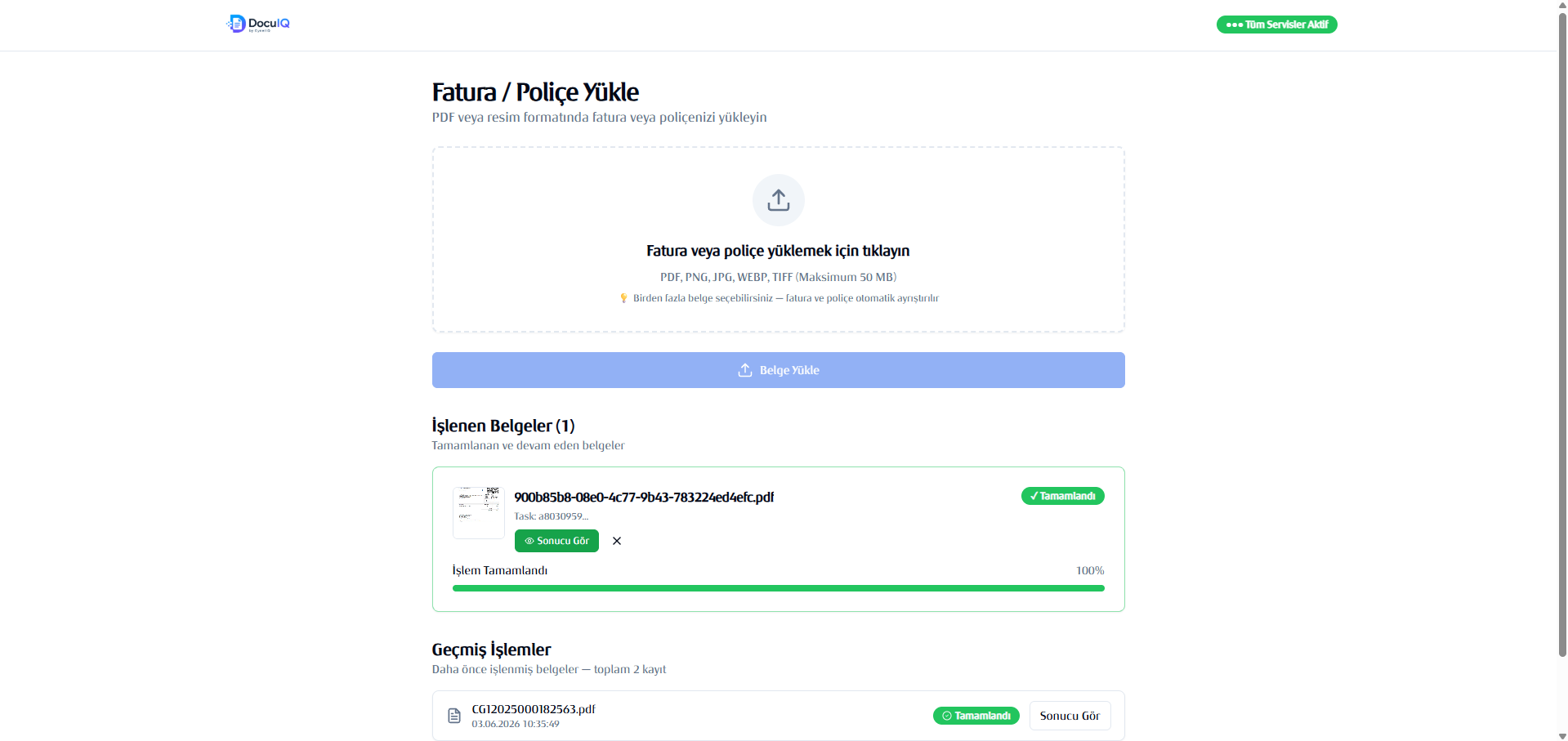
- OCR-based extraction of invoices and insurance policies — supports PDF, PNG, JPG, WEBP, and TIFF formats up to 50 MB
- Parallel batch processing — multiple documents are handled simultaneously, dramatically reducing processing time
- Structured output with line items, totals, tax breakdowns, vendor/client details, and dates — exportable as JSON, CSV, or Excel
- SQL export — extracted data is written directly to target SQL databases (MySQL, PostgreSQL, MSSQL), keeping financial records always in sync without manual re-entry
- ERP integration pipeline — extracted data is automatically pushed to ERP systems (SAP, Logo, Netsis, Mikro and others), eliminating re-entry errors and accelerating month-end close
- Email monitoring RPA — automatically watches configured inboxes; incoming invoices and policies are detected, downloaded, and fed into the extraction pipeline with zero manual intervention
- Custom ERP adapters — bespoke integrations developed for any client-specific ERP or accounting system, tailored to exact data models and business rules
- Scheduled RPA triggers — time-based automations (cron jobs) that run at configured intervals; e.g. every night the system processes all newly arrived documents, pushes to ERP, and sends a summary report
- Selenium-based web portal automation — RPA bots log into e-invoice portals, e-archive systems, and other web platforms to automatically download new invoices and policies, feeding them directly into the processing pipeline
- End-to-end automation: email arrives / portal is scraped → document is extracted → data is pushed to SQL / ERP → confirmation notification is sent — all without a single human click
- RPA bot for accounting and finance — automates workflows such as invoice approval, policy renewal tracking, and payment scheduling, enabling leaner teams or fully unmanned operations
- Before & after document view — compare raw uploaded documents with the extracted, validated output side by side
- Processing history with task tracking, completion status, and audit trail for every document
Technical Architecture
The backend is built on Python with Celery for distributed task queuing and Redis as the message broker, ensuring high-throughput parallel document processing under load. The frontend is developed with React and Vite for fast, responsive UI, styled with Tailwind CSS and communicating with the API via Axios. MongoDB stores processed document records, extraction results, and audit logs with flexible schema support. JWT-based authentication secures all API endpoints and user sessions. The OCR pipeline combines multiple extraction layers to maximise accuracy across diverse document layouts and languages. The RPA layer includes both an email monitor (IMAP/SMTP) and Selenium web bots, all running as persistent Celery workers scheduled via cron to trigger automatically at configured times.
Mobile & Responsive Design
DocuIQ is fully responsive and optimised for every screen size. The document upload interface, extraction result viewer, batch processing queue, analytics dashboards, and ERP integration configuration panels all adapt fluidly to mobile and tablet viewports — so accountants and finance teams can review processed documents, verify extracted data, and monitor automation status from any device, at any time.
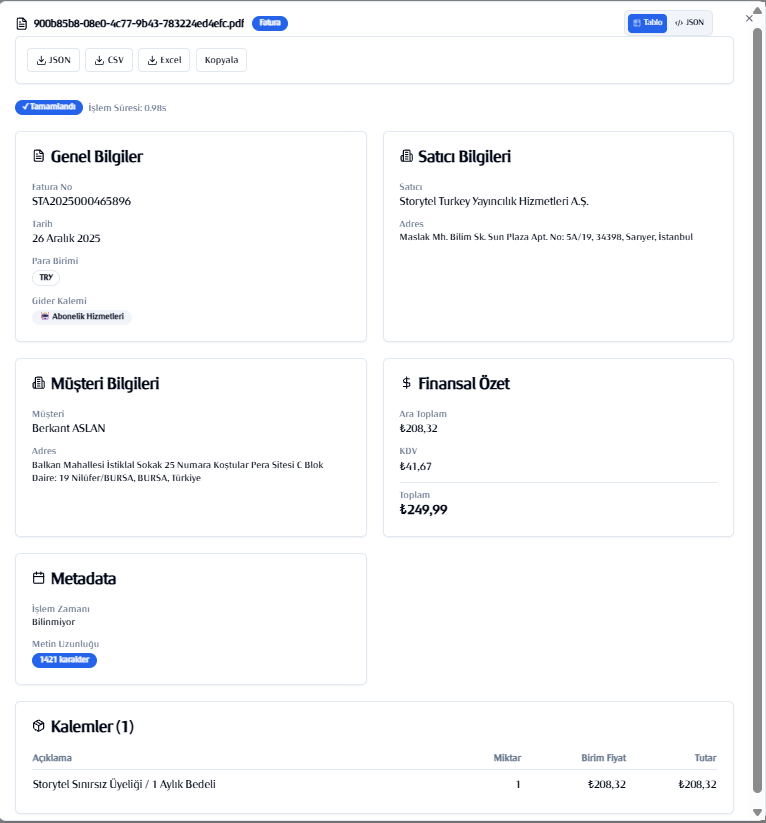 After
After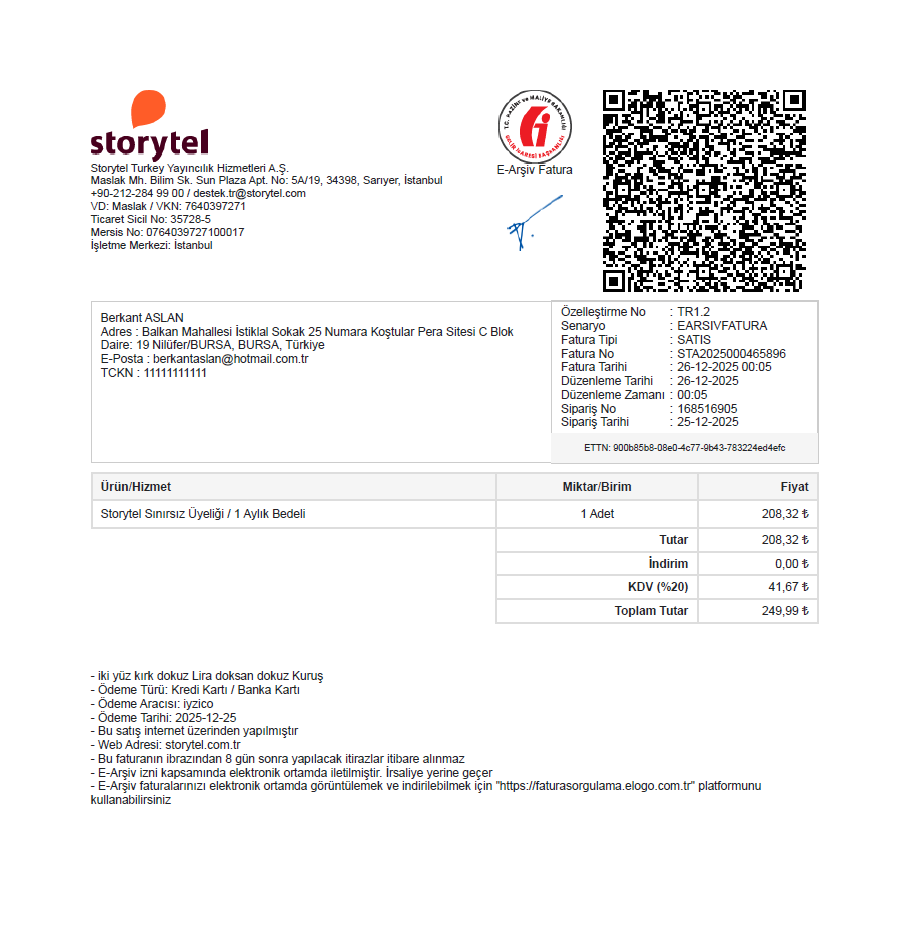 Before
Ready to start your project?